Planning for the future is a crucial part of financial and personal security. While many people think estate planning is only for the wealthy, the truth is that everyone can benefit from having an estate plan. From protecting your family and assets to minimizing taxes and ensuring your wishes are honored, estate planning offers peace of mind and clarity in an uncertain world.
This guide explores how an estate plan works, its benefits, essential components, and practical steps to create one effectively.
1. What is an Estate Plan?
An estate plan is a set of legal documents and strategies that determine how your assets, property, and personal affairs will be managed during your lifetime and after your death. Estate planning also addresses healthcare decisions, guardianship for minors, and other personal matters.
Key Features of an Estate Plan
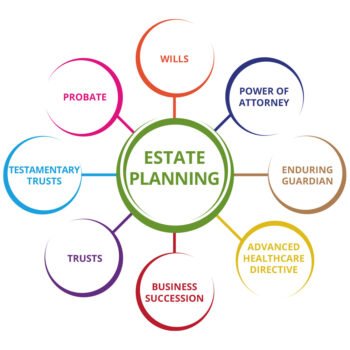
- Wills: Specify who receives your assets.
- Trusts: Manage and protect assets, often reducing taxes.
- Healthcare Directives: Outline medical preferences if you cannot speak for yourself.
- Power of Attorney: Appoint someone to manage finances and legal matters on your behalf.
- Beneficiary Designations: Ensure accounts like life insurance and retirement plans pass to the right people.
Estate planning is a combination of financial, legal, and personal decision-making designed to protect your legacy and loved ones.
2. Why Estate Planning Matters
Estate planning is not just for the wealthy—it’s for anyone who wants to control how their assets and decisions are handled.
a. Protects Your Loved Ones
- Ensures children, spouses, or dependents are cared for according to your wishes.
- Reduces family disputes and confusion after your passing.
b. Reduces Stress and Conflict
- Clear instructions prevent disagreements among family members.
- Minimizes delays and complications in distributing assets.
c. Minimizes Taxes and Expenses
- Proper estate planning can reduce estate, inheritance, and income taxes.
- Helps avoid probate costs, which can be lengthy and expensive.
d. Provides Healthcare and Financial Decisions
- Powers of attorney and healthcare directives give someone you trust authority to make decisions if you cannot.
e. Preserves Your Legacy
- Ensures charitable contributions or personal values are upheld.
- Maintains continuity for family-owned businesses or properties.
3. Core Components of an Estate Plan
a. Wills
A will is a legal document that specifies:
- Who inherits your property
- Who becomes guardian for minor children
- Instructions for funeral or memorial arrangements
Without a will, your state laws determine inheritance, which may not reflect your wishes.
b. Trusts
Trusts are legal entities that hold assets on behalf of beneficiaries. Benefits include:
- Avoiding probate
- Protecting assets from creditors
- Managing distribution over time
- Reducing estate taxes
Common types of trusts:
- Revocable Living Trust: Flexible, can be changed during your lifetime.
- Irrevocable Trust: Cannot be altered easily but offers tax and asset protection.
- Special Needs Trust: Provides for disabled dependents without affecting government benefits.
c. Power of Attorney
Designates someone to manage financial and legal matters if you are incapacitated.
d. Healthcare Directives (Living Will)
Specifies medical treatments you want or do not want in emergency situations.
e. Beneficiary Designations
Accounts like retirement plans and life insurance often override wills unless properly updated.
4. How an Estate Plan Can Help You Financially
a. Reducing Estate Taxes
- Proper planning can minimize federal and state estate taxes, leaving more for beneficiaries.
- Trusts and gifting strategies are common methods to reduce tax burdens.
b. Protecting Assets
- Trusts and insurance can shield assets from creditors or lawsuits.
- Ensures family wealth remains intact for future generations.
c. Facilitating Smooth Asset Transfers
- Avoids delays associated with probate.
- Ensures assets are distributed according to your instructions.
d. Planning for Business Continuity
- Succession plans can ensure a business remains operational or is sold appropriately.
5. How an Estate Plan Provides Peace of Mind
Estate planning isn’t just financial—it’s emotional. Knowing that your family will be taken care of, that your assets will be distributed according to your wishes, and that your healthcare preferences will be honored provides peace of mind for you and your loved ones.
- Reduces anxiety about the future
- Protects children and dependents
- Preserves family relationships
6. Common Mistakes in Estate Planning
- Failing to Update Documents: Life changes like marriage, divorce, or birth of children require updates.
- Not Naming Beneficiaries: Accounts without beneficiaries may default to unintended heirs.
- Ignoring Tax Implications: Estate and inheritance taxes can erode wealth if not planned.
- DIY Estate Planning Without Guidance: Legal complexities may cause mistakes.
- Overlooking Healthcare Directives: Absence can leave critical decisions to courts or family.
7. Steps to Create an Estate Plan
Step 1: Take Inventory of Assets
- List properties, investments, bank accounts, insurance, business interests, and personal possessions.
Step 2: Identify Goals
- Consider your priorities: family protection, charitable giving, business continuity, or tax minimization.
Step 3: Choose Your Representatives
- Executors, trustees, and agents for powers of attorney must be trustworthy and capable.
Step 4: Draft Legal Documents
- Work with an estate planning attorney to prepare wills, trusts, and healthcare directives.
Step 5: Fund Your Trusts
- Transfer ownership of assets to ensure they are included in your estate plan.
Step 6: Review and Update Regularly
- Life events, changes in laws, and new assets require periodic updates.
8. Case Studies of Estate Planning Success
Case Study 1: Protecting Minor Children
Emily, a single mother, created a will and trust naming guardians and trustees for her children. When she unexpectedly passed, her children were cared for by her chosen guardian, and the trust provided ongoing financial support.
Case Study 2: Business Succession Planning
John owned a small manufacturing business. By creating a succession plan within his estate plan, he ensured the business continued operating smoothly, preventing financial loss and employee disruption.
Case Study 3: Minimizing Taxes
A retired couple used an irrevocable trust to transfer assets to children while reducing estate taxes. This strategy preserved the family wealth and avoided probate delays.
9. How to Choose an Estate Planning Professional
- Estate Planning Attorney: Ensures documents comply with laws.
- Financial Planner: Integrates estate plan with investments, insurance, and retirement goals.
- Tax Advisor: Minimizes tax liabilities through strategic planning.
- Trust Officer: Helps manage and administer trusts effectively.
Choose professionals with experience, strong references, and transparent fees.
10. Estate Planning Tips for Everyone
- Start early—estate planning is not just for the elderly.
- Keep documents organized and accessible.
- Communicate your wishes with family to prevent confusion.
- Review documents regularly, at least every 3–5 years or after major life events.
- Consider digital assets like online accounts and cryptocurrencies in your plan.
11. Key Takeaways
- Estate planning protects your family, assets, and legacy.
- It reduces stress, legal complications, and tax burdens.
- Core components include wills, trusts, powers of attorney, and healthcare directives.
- Professional guidance ensures legal compliance and effective implementation.
- Regular updates maintain relevance as life circumstances change.
12. Conclusion: Estate Planning as a Tool for Security and Peace of Mind
An estate plan is more than just a legal requirement—it’s a comprehensive strategy to protect your loved ones and preserve your assets. Regardless of age or wealth, having an estate plan ensures that your wishes are respected, minimizes family disputes, and provides clarity in challenging situations.
By taking proactive steps—assessing assets, establishing legal documents, naming representatives, and reviewing plans regularly—you can ensure financial security and peace of mind. Estate planning allows you to leave a legacy that reflects your values, safeguards your family, and provides stability for generations to come.
In the end, an estate plan is not just about money—it’s about planning for life, protecting those you care about, and taking control of the future.
Summary:
Do you know how your life will be divided after your death? Who will
your estate go to? Who will look after your children? With an estate
plan you decide. You are in control of your family�s security in the
event that something tragic should happen.
Keywords:
estate plan, estate planning, living will, living trust
Article Body:
Do you know how your life will be divided after your death? Who will your estate go to Who will look after your children? With an estate plan you decide. You are in control of your family�s security in the event that something tragic should happen. Now perhaps you are a little foggy with some of the fundamental ideas associated with estate planning. Let�s start at the beginning.
According to Merriam-Webster’s Dictionary of Law estate planning is:
The arranging for the disposition and management of one’s estate at death through the use of wills, trusts, insurance policies, and other device
Your estate is everything you own, your assets and liabilities. This includes things such as your house, account in your name, your insurance policies, and vehicles. The problem with dying without an effective estate plan is that even if your property is distributed to the proper people, a process known as �probate court� may cost your heirs up to 10% of your assets net value. Also you must take any children that you are the legal guardian of into consideration. If you do not have an estate plan it may be probate court that decides who looks after them after them after you are gone.
You don�t want to let this happen to you and your family. You need an estate plan. Now, in order to start estate planning you are going to need to look into the following options: living wills, revocable living trusts.
A living will is a document in which you can spell out where all of your assets will be going. You may also modify this document at anytime. You are the one in control. This is a great way to avoid probate court.
A living trust allows you to name a person who will handle all of your legal affairs after you pass away. Your trust may either be revocable or irrevocable. Revocable means that, just like a living will, you can modify it at any time. However, in an irrevocable living trust you do not have the ability to change it.
Having an estate plan can help your family avoid many hardships after your passing. Don�t let your whole life fall into the wrong hands. Take control. Make an estate plan today.


Tinggalkan Balasan